The Money-Burning Scene in Winter Sleep
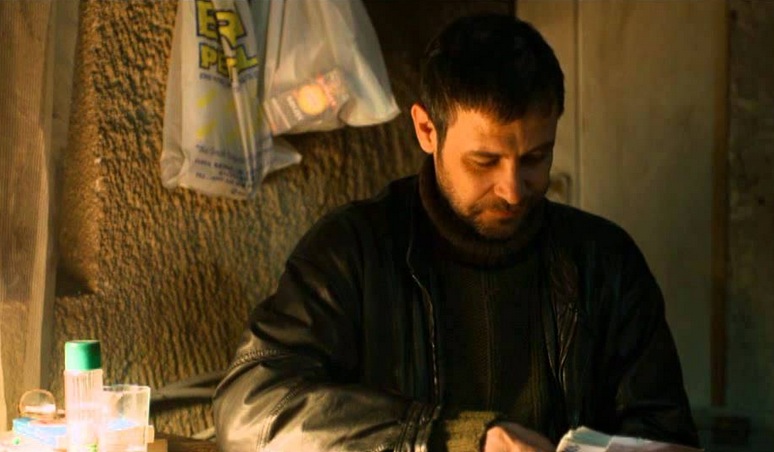
This scene is one of the moral as well as dramatic centers of Winter Sleep. Nihal’s attempt to compensate for an injustice through money appears charitable on the surface, yet it exposes the fragile relation between class, conscience, dignity and power. When İsmail burns the money, he is not simply refusing assistance; he is rejecting the hierarchy embedded in the gesture, the delayed mercy and the humiliation that accompanies it. The scene refuses easy emotional comfort. Its force comes from the fact that no one is fully innocent and no one is entirely wrong. What makes the sequence unforgettable is the way it creates enormous pressure without slipping into melodrama. Camera, space and performance work together to make the tension palpable. Money becomes more than an economic object; it carries guilt, anger, pride, class resentment and the desire for moral repair. The fire consumes not only the banknotes, but also the possibility of easy reconciliation. The moment gains its full power because Ceylan stages it not as an isolated incident, but as an eruption of accumulated silence, shame, resentment and arrogance. İsmail’s action may appear irrational, but that irrationality is precisely what shows that dignity cannot be reduced to economic logic. It remains one of the clearest and most disturbing representations of class and moral injury in contemporary Turkish cinema.
View source ↗Back to references