Nostalgia is not about recreating the past exactly as it was. It is a reinterpretation of a past atmosphere, a material quality, a sense of proportion or a pattern of everyday use in response to present needs. Reproducing a period is straightforward; the real challenge is to preserve its spirit while setting aside its superficial symbols.
Every period has two distinct layers. The first consists of its readily visible colours, forms, furniture and decorative details. The second is quieter and more enduring: the scale of a space, the use of light, the tactile qualities of materials, the distances between pieces of furniture and the rhythm of daily life.
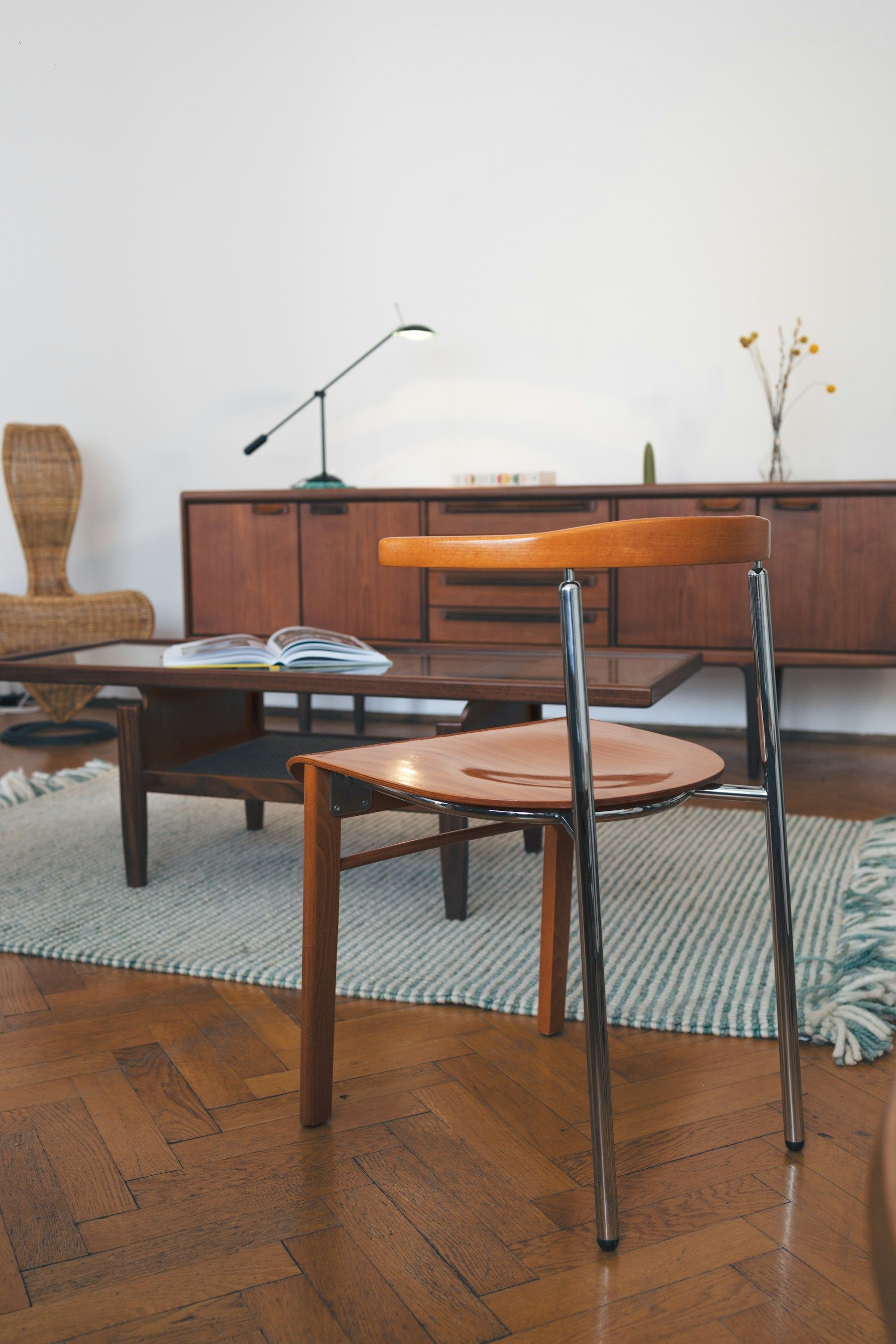
A successful approach to nostalgia usually focuses on this second layer. An interior inspired by the 1970s or 1980s, for example, does not need to assemble every object associated with that era. Warm timber surfaces, lower and more relaxed seating, restrained metal details or soft lighting can bring its atmosphere into a contemporary setting. Technology, comfort and practical needs can still be addressed with modern solutions.
This is where the essential distinction between nostalgia and retro emerges. A retro approach directly repeats the recognisable signs of the past. Nostalgia establishes an emotional continuity with it. A space does not have to look old; it can simply feel familiar, warm or enduring.
Restraint matters. When every element belongs to the past, the result can become a themed decoration rather than a richer atmosphere. A carefully chosen light, a contemporary interpretation of a traditional material or a single piece of furniture that recalls a particular period can be more effective than a large collection of decorative objects. Preserving open space and neutral surfaces allows those references to become clearer and more graceful.
The way materials age is another important part of nostalgia. Artificially distressed surfaces often do little more than try to look old. Timber, stone, metal and leather that age naturally, by contrast, develop their own character over time. A sense of permanence comes less from imitating the past than from allowing materials to change with time.
Although nostalgia is personal, design does not have to depend solely on one person's memories. Daylight filtering through a curtain, warm lighting in the evening, the place of books and music in a room, or furniture arranged to encourage longer conversations can create a shared sense of familiarity for different people.
Used well, nostalgia does not remain frozen in the past. It combines cues from earlier times with contemporary comfort, technology and ways of living. The result is a quiet, measured continuity between past and present, rather than a copy of a particular period.
Nostalgia is not a return to the past; it is a way of carrying what is valuable in the past into the future.