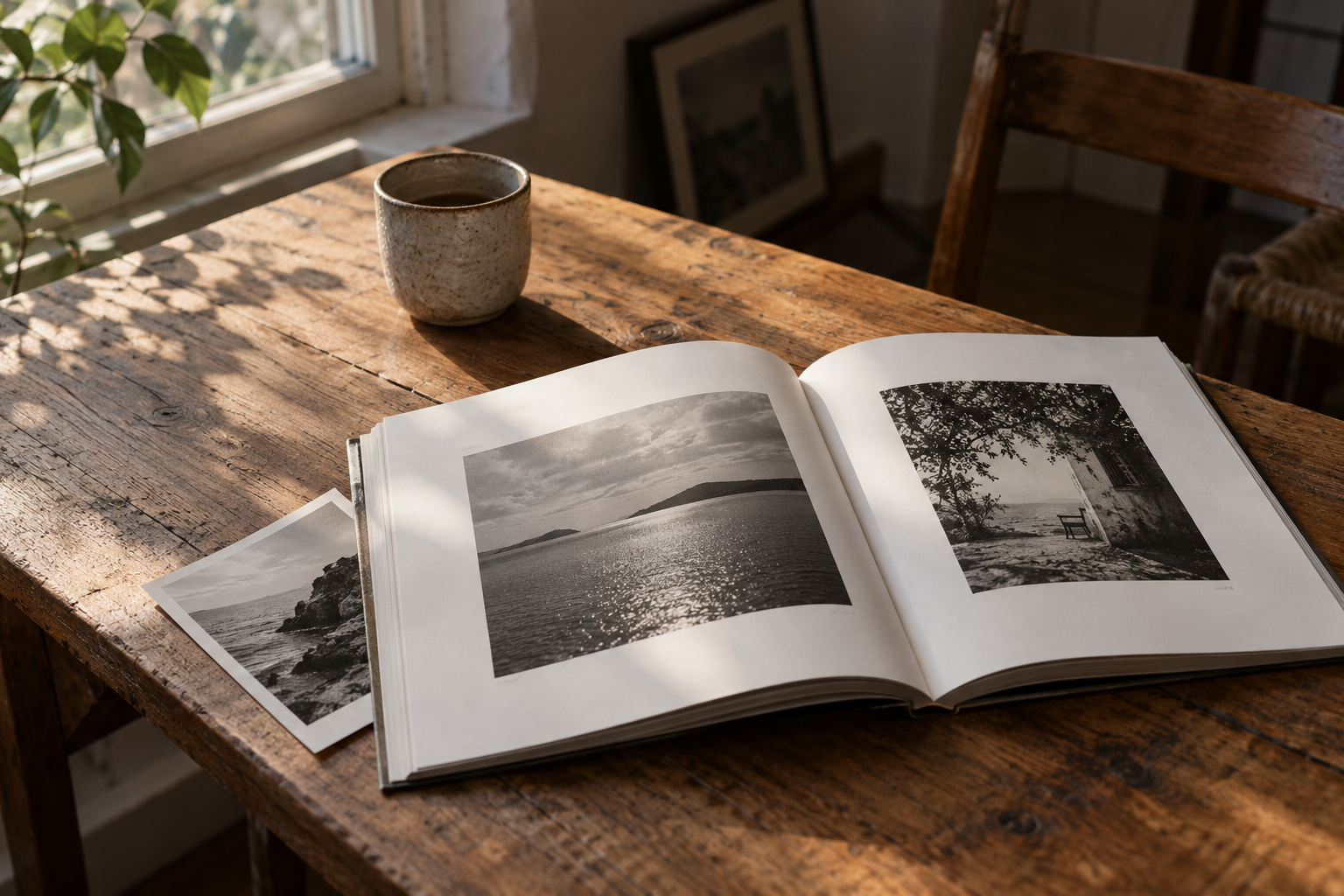
Wondering how a photograph was made, following the sound of an unfamiliar instrument in a song, or becoming interested in ceramics because of the shape of a cup. Each can be a small beginning: an interest whose duration and direction are still unknown. Yet sometimes the next steps appear almost immediately. Books to read, lessons to watch, materials to buy. Something that caught the eye only a few minutes earlier begins to acquire a to-do list.
There is a particular pleasure in this preparation. Finding a way into a subject, noticing details previously overlooked and learning how others work can be exciting. Some interests, too, only deepen with effort. Learning an instrument takes practice; reading about photography and taking photographs offer different experiences. Making a sustained pursuit of an interest can carry the excitement of that first encounter into a longer relationship.
But planning also brings new questions. How much progress has been made? What stage has been reached? Is there something to show for it? Attention that first went towards discovering a subject may gradually turn towards tracking one's progress in it. The pleasure of listening to a kind of music can acquire a question alongside it: have enough albums been heard? As a reading list grows, the books still waiting become as conspicuous as those already finished.
This raises another question: when does an interest deserve to be taken seriously? Must an interest in photography involve taking pictures regularly? Does loving cinema require an exhaustive knowledge of directors, or an interest in the furniture of a particular period mean collecting it? Any of these activities can be enjoyable. Yet the expectation of becoming knowledgeable, accomplished or productive in every area of interest can make some encounters feel tiring before they have even begun. Approaching a subject can seem to bring with it a responsibility to make progress.
Expecting a measurable outcome makes it easier to account for the time spent. With a language, there is a level of proficiency; with a collection, a set of objects; with a course, a body of completed work. An afternoon spent looking at paintings is harder to explain in those terms. There is no knowing in advance which detail will linger, or which image will come to mind somewhere else months later. The value of that time may not be immediately apparent, and it may never form a clear line of development.
Leaving room for this uncertainty is not always easy. An unfinished book, or a subject that held the attention for a few weeks and was then forgotten, can leave a sense of unfinished work. Yet no task had been set at the outset. A few answers were sought, some things were looked at, and perhaps all that became clear was what held no interest. Goals introduced later can make even this brief encounter seem inadequate.
Some interests last for years; others give way to something else after a few evenings. It is difficult to know at the beginning which will endure. Trying to turn every new interest straight away into a regular pursuit can also mean deciding its duration in advance. Before there has been time to discover how to engage with a subject, a schedule for that engagement is already in place.
It is possible to read a few pages about a photograph and then move on to something else. Without taking up photography, researching equipment or giving the interest a name. Perhaps the same image will be revisited later, and another detail will catch the eye. There may be no need to list what has been learned in the meantime; the next look continues the encounter.